
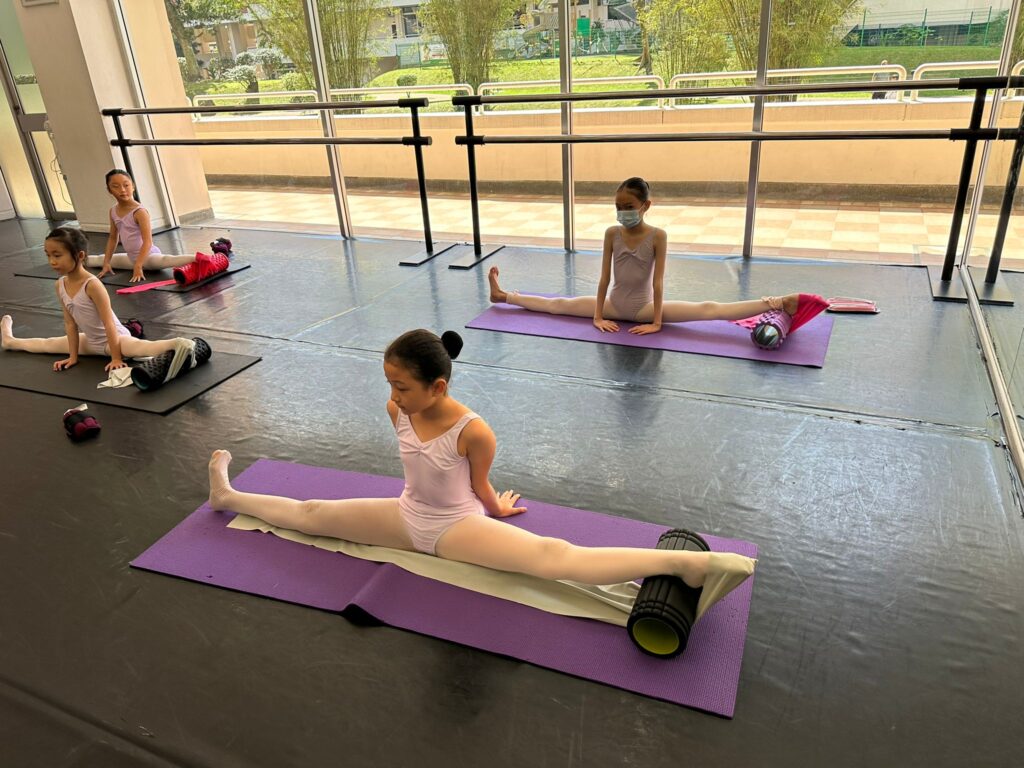
Ballet and body conditioning play an essential role in developing posture, flexibility, balance, coordination, and graceful movement. These skills support overall athletic performance and movement quality. Through structured ballet exercises and body-conditioning techniques, children develop strong foundations that support their progress in rhythmic gymnastics.
In Singapore, many parents choose ballet and body conditioning classes because they improve physical strength, movement quality, discipline, and confidence. These classes focus on developing flexibility, posture, strength, balance, and graceful movement through structured training.
Table of Contents
- Benefits Of Ballet And Body Conditioning
- How Ballet Improves Movement Quality
- Building Strength Through Body Conditioning
- Developing Flexibility And Balance
- Improving Focus And Discipline
- Building Confidence Through Training
- Why Professional Ballet And Conditioning Training Matters
- How Do These Skills Support Rhythmic Gymnastics Performance
- Conclusion
- FAQs
Benefits Of Ballet And Body Conditioning
Ballet and body conditioning help children develop strong physical foundations for rhythmic gymnastics movement and performance. These classes improve posture, flexibility, control, balance, and body awareness while supporting safe physical development.
Key benefits include the following:
- Better posture and alignment
- Improved flexibility and mobility
- Stronger balance and coordination
- Increased core strength
- Better movement control and grace
- Improved discipline and focus
Children learn how to move with precision and confidence while building strength, balance, and control.
How Ballet Improves Movement Quality
Ballet teaches children proper posture, elegant movement, body control, and coordination. These skills help children perform movements with better technique, control, and expression.
Improving Posture And Alignment
Children learn:
- Correct body positioning
- Controlled arm and leg movements
- Proper turnout and posture
- Smooth transitions between movements
Good posture helps children move more gracefully and perform skills with stronger control.
Building Grace and Coordination
Ballet movements improve rhythm, timing, musicality, and coordination. Children learn to follow music carefully while moving with balance and fluidity.
This practice helps children:
- Improve performance quality
- Develop an elegant presentation
- Move confidently during routines
- Strengthen overall coordination
Building Strength Through Body Conditioning
Body conditioning strengthens muscles that support flexibility, balance, and controlled movement. It focuses on core stability, endurance, flexibility, and controlled movement.
Key Conditioning Exercises
Training may include the following:
- Core strengthening exercises
- Balance training
- Stretching exercises
- Leg and foot strengthening
- Back and shoulder conditioning
These exercises help children build strength safely while supporting flexibility and injury prevention.
Supporting Safe Physical Development
Professional instructors guide children through structured conditioning exercises suitable for their age and ability level.
Children:
- Build strength gradually
- Improve movement control
- Develop flexibility safely
- Learn proper techniques
This consistent progress supports long-term physical development and movement quality.
Developing Flexibility And Balance
Flexibility and balance are essential for graceful and controlled movement. Ballet and conditioning classes help children improve both through guided stretching and movement exercises.
Flexibility Training
Children practise:
- Back flexibility exercises
- Leg extensions
- Shoulder mobility stretches
Safe stretching techniques improve mobility while helping children perform movements with better range and control.
Balance and Stability
Balance exercises help children:
- Maintain body control
- Improve coordination
- Strengthen supporting muscles
- Perform movements more confidently
These skills are important for movement quality and overall athletic performance.
Improving Focus And Discipline
Rhythmic Gymnastics for Kids & Teens in Singapore requires concentration, patience, and consistency. Children learn to follow instructions carefully while improving their attention and discipline.
How Training Builds Focus
Children learn to:
- Listen carefully to coaches
- Repeat movements accurately
- Follow structured exercises
- Stay focused during training sessions
These habits support learning both in sports and in daily life.
Encouraging Discipline And Responsibility
Structured training teaches children the importance of:
- Regular practice
- Consistency
- Patience
- Self-improvement
These qualities help children grow into disciplined and confident individuals.
Building Confidence Through Training
Children gain confidence as they improve their flexibility, strength, and movement skills. Every achievement helps them feel more motivated and positive.
For example:
- Completing difficult exercises
- Improving posture and flexibility
- Performing movements confidently
- Achieving personal progress goals
Positive encouragement from coaches helps children develop self-belief and confidence throughout training.
Why Professional Ballet and Body Conditioning Matter
Rhythmic Gymnastics for Kids in Singapore ensures children learn proper techniques in a safe and supportive environment.
Benefits Of Professional Training
Children receive:
- Structured lessons
- Guidance from experienced instructors
- Safe stretching and conditioning exercises
- Progressive skill development
Professional coaching helps children improve efficiently while reducing the risk of injury.
A Strong Foundation For Performance
Ballet and body conditioning create strong physical foundations that support overall performance and movement quality.
Children develop:
- Better flexibility
- Stronger posture
- Improved movement quality
- Greater body awareness
- Enhanced coordination and control
These skills help rhythmic gymnasts perform more confidently and effectively.
How Do These Skills Support Rhythmic Gymnastics Performance?
Ballet and body conditioning improve the physical and artistic skills needed for graceful and controlled movement.
Children benefit through the following:
- Better movement precision
- Improved flexibility and extensions
- Stronger balance and coordination
- Increased body control
- More graceful performance quality
These improvements help children build stronger technical foundations over time.
Conclusion
Ballet and body conditioning build flexibility, posture, strength, coordination, and confidence in children through structured and supportive training. With the right guidance, children learn to move with control and grace while developing discipline, focus, and self-belief. A specialised programme nurtures both physical growth and mental resilience in a safe, positive setting where every child can thrive.
If you are searching for rhythmic gymnastics near me, consider enrolling your child at the School of Russian Ballet. Their expert classes combine classical ballet with body conditioning to help children grow stronger, more confident, and beautifully balanced in every step.
FAQs
What Is The Difference Between Ballet And Rhythmic Gymnastics?
Ballet focuses on posture, movement quality, flexibility, and technique, while the sport combines dance, apparatus handling, flexibility, and athletic performance. Ballet and body conditioning help support overall movement development.
Why Is Ballet Important For Rhythmic Gymnastics?
Ballet improves posture, balance, flexibility, coordination, and graceful movement, which are essential skills for rhythmic gymnastics in Singapore performances.
Is body conditioning safe for children?
Yes, professional instructors guide children through age-appropriate conditioning exercises using safe techniques and structured training.
At What Age Can Children Start Ballet and Body Conditioning?
Children can begin from 3-5 with beginner-level classes designed to improve coordination, flexibility, and movement foundations safely.
Do ballet and conditioning improve flexibility?
Yes, structured stretching and conditioning exercises help children improve flexibility, mobility, and overall body control over time.
