
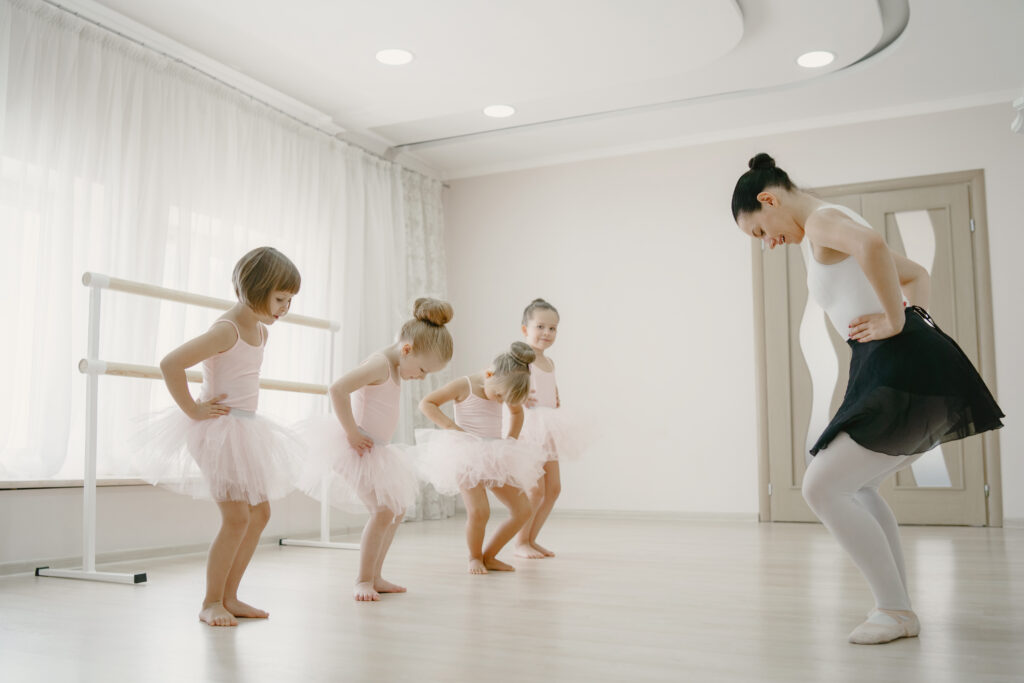
Choosing a ballet class shapes more than just steps. It helps children develop balance, posture, and discipline. In Singapore, ballet schools offer a wide range of options, which can make choosing the right class a little overwhelming. Observing the key factors in a programme will help you select one that truly supports your child’s growth.
A strong children’s ballet class encourages learning while building confidence at every stage. When considering ballet classes for children, look for a nurturing environment that fosters both skill development and personal growth.
Understand Your Child’s Age and Readiness
Start by watching how your child listens, moves, and behaves in group settings. Some children move into ballet at three. Others feel ready at five. Children need classes that match their focus, memory, and energy level. Smaller kids handle short classes best. These lessons blend rhythm, movement, and basic shapes. As children grow, the class shifts. They learn how to hold positions and remember step names. They stretch muscles and sharpen balance. Not all students learn the same way. Some learn rhythm early. Others need more time. A dependable Kids Ballet Class in Singapore offers clear steps for all learners.
Choose a Recognised Ballet Syllabus
A good ballet syllabus provides structure, guiding students from one level to the next. Globally, the most recognised methods include the Russian Vaganova, Italian Cecchetti, French School, Danish Bournonville, English Royal Academy of Dance (RAD), and American Balanchine, each offering distinct technical and artistic qualities.
In Singapore, most schools follow the RAD syllabus, which introduces ballet gradually through structured practice and music, making it ideal for beginners. Examinations at each stage help track progress clearly. Only a few schools, such as the School of Russian Ballet Singapore, offer the Vaganova method. This method requires professional training in Russia under the Vaganova State Method to be taught authentically. It emphasises strength, discipline, and fluid, expressive movement, developing both technical skill and artistry through clean lines, precise timing, and rigorous technique.
Knowing which method a school follows helps ensure your child builds a solid foundation in classical ballet. While many advanced dancers eventually blend techniques, understanding the core method is essential for long-term development. At the School of Russian Ballet Singapore, the Vaganova syllabus guarantees students strong technique, refined lines, and precise musical timing. Asking about a school’s method ensures your child progresses with confidence and understanding.
Look at the Studio’s Location and Fees
Consider how far the studio is from your home, work, or school. Choosing a nearby location saves travel time and makes it easier for children to attend lessons regularly. Areas like Pandan Valley and Anchorpoint are popular with families for this reason. Pick a studio that is convenient for your schedule.
The cost of ballet classes for children is another key factor. Some studios charge higher fees for advanced training, while others offer more affordable options for beginners. For instance, the School of Russian Ballet Singapore provides flexible trial class rates and term packages. Check whether fees include exams, costumes, or holiday rehearsals, and be sure to understand the full cost before enrolling.
Try a Trial Class First
Let your child try a session before enrolling. Trial classes give children the chance to explore the studio and meet their instructor. You can see how they listen, follow directions, and move with others. During the trial, observe the instructor: do they speak clearly, explain patiently, and guide gently? Does your child seem focused and engaged?
Most ballet schools in Singapore offer trial sessions. Some charge a small fee, while others provide the first lesson for free. Check this before committing to a full term. Trial classes help both parent and child feel confident and ready to begin.
Learn About the Teacher’s Background
A skilled teacher teaches more than just dance. They demonstrate grace, discipline, and respect. Look for ballet instructors with strong training and a clear teaching method. Ask about their background: did they train under a recognised programme such as RAD or Vaganova? Do they hold certificates or dance degrees? Do they have experience working with children?
In well-regarded schools, teachers continue to update their skills, keeping up with exams and syllabus changes. It’s also helpful to know if the instructor stays with the same class throughout the term. An experienced teacher ensures students can learn at their own pace in a supportive, encouraging environment.
Consider Class Size and Student Attention
Smaller classes allow teachers to give each student more attention. In a small children’s ballet class, the instructor can correct posture, answer questions, and ensure every child is learning effectively. For beginners, an ideal group size is around 8 to 10 students. Older or more advanced classes may be slightly larger but often include teaching assistants.
It’s important to ask whether students are grouped by age or skill. A class with mixed levels can confuse beginners or slow down faster learners. Choose a school that organises students clearly by both age and ability.
Ask About Exam Preparation and Performances
Some schools follow exam paths. Others skip exams and focus on performance. Ask if your child will prepare for graded tests like RAD or Vaganova. Exams mark clear progress. They also help children set goals. If you want formal ballet growth, choose a school with regular exams. Also, ask about shows. Many schools offer an annual recital. Some also do small studio performances. These help children perform in front of an audience and feel proud. Ask how often these shows happen. Are they included in class fees or paid separately?
Find Out the Class Schedule and Commitment
Look at how often classes meet each week. Beginners often join once a week. Older students may attend two or three times. Make sure the time works for your child. Don’t choose a class that ends late or causes stress after school.
Ask about missed classes. Can students attend a makeup session if they are sick? Some schools allow this. Others may not. Know the rules before joining. Ballet works best with steady practice and clear attendance.
Compare with Other Schools Thoughtfully
Look at a few schools before choosing. Every studio runs differently. Some focus on strict training, while others build creativity and movement expression. When you compare, look for:
- Syllabus Type: A structured syllabus, like Vaganova or RAD, gives clear direction. It builds foundation, discipline, and progress. A proper method ensures consistent learning and prepares children for graded exams and advancement.
- Teacher Experience: Experienced teachers guide with patience and precision. They hold proper training, certifications, and know how to teach young children effectively. Their feedback shapes technique, builds confidence, and supports steady improvement.
- Class Size: Smaller classes allow more attention. Teachers can correct forms, give guidance, and notice each child’s progress. Large groups may limit feedback. Balanced class size encourages learning without overwhelming students.
- Term Schedule: A clear term schedule keeps students on track. Weekly classes build consistency. Know holidays, breaks, and exam dates. Check makeup class options. A stable schedule supports regular attendance and progress.
- Cost and What’s Included: Tuition fees may vary by level. Check if they include costumes, exams, or performances. Some schools charge extra, so understand full costs upfront to avoid surprises and plan your budget.
Choose the school that fits your child, not just the most famous one.
Make the Decision with Confidence
Ballet teaches structure, elegance, and physical skill, while also developing rhythm, listening, and memory. Choosing the right class supports your child’s progress. When deciding, consider factors such as age, syllabus, location, schedule, cost, and teacher training. Allow your child to experience a trial class first, and consult with instructors to gain a full understanding of the programme. Find a Kids Ballet Class in Singapore that nurtures each child’s rhythm, growth, and confidence.
Conclusion
Choose the right ballet class by looking at the programme, teacher, group size, class schedule, and cost. Let your child twirl, stretch, and grow in a supportive environment. Well-structured lessons develop balance and skill, while experienced teachers guide with patience and attention. Small classes allow children to move and learn more effectively, and a clear schedule keeps everything running smoothly. Understand the full cost before enrolling, and watch your child leap into learning. The right class provides a strong foundation, helping every graceful step build confidence and progress.